
BUNDALA NATIONAL PARK AND SALT PANS - LAKE TISSA
WEATHER; bright hot and sunny all day.
We made an early start to one of my favourite places in Sri Lanka - The National Park of Bundala Marshes and Salt Pans. This place is magical and so full of birds it makes my eyes water. Recent flooding during the cyclone in Nov/Dec has deimated the marshes and reedbeds but still there were hundreds of birds there today.
The ligt was lovely the temperature perfect as we arrived at 6:30am. There must have been 30-50 species of birds across the marshes: ranging from the giant Adjutant Stork to the tiny Munias. There were waders galore, herons, egrets, ibises, storks, cormorants, spoonbills, bitterns, waterhens, watercock, swamphen, bee-eaters, kingfishers, larks, pipits, prinias, warblers, doves and kites.
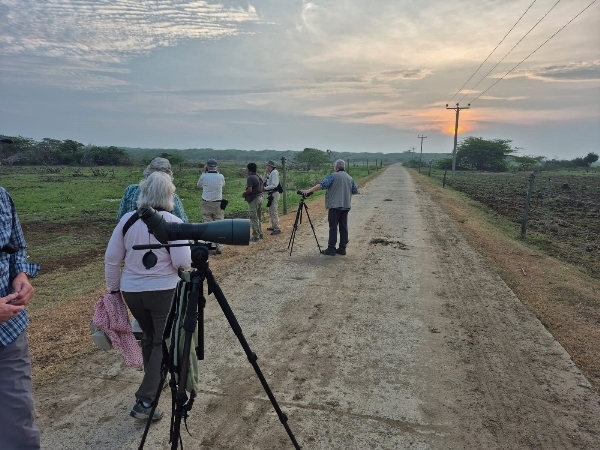
the approach track to Bundala at 7am this morning
We quickly found a Watercock, it didn't show well and we lost after it was flushed by a passing bike. Yellow Bittern was seen two or three times and showed extermely well. Clamorous Reed Warbler was indeed loud and showy, we added a few waders to our list: Pacific Golden Plover, Wood Sandpiper, Common Sandpiper, a Snipe species, probably Pin-tailed Snipe. Temminct's Stints were quite common, with Lesser Sandplovers, Oriental Pratincoles, Indian Thick-knee, Great Stone Curlew, the list goes on and on.
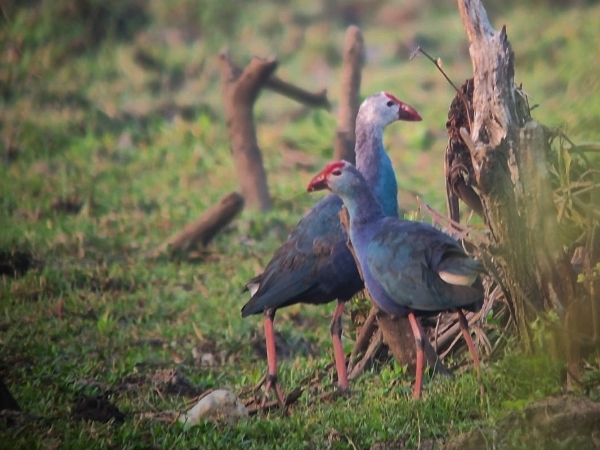
Purple Swamphens
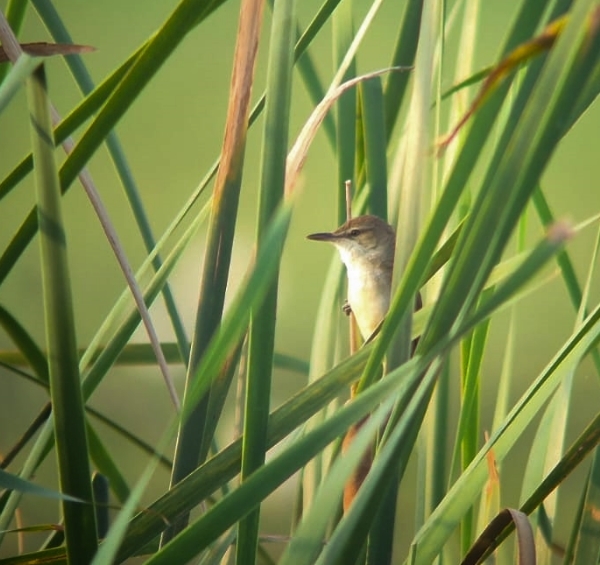
Clamorous Reed Warbler
We saw our first Pied Kingfisher, but also Common & White-throated varieties. Blue-tailed and Little Green Bee-eaters performed well. A couple of Yellow Bitterns fought over territory and showed very well. A Grey-headed Fish Eagle flew over as did four Brahminy Kites.
A little further along the approach track to the Reserve we found a large flock of Oriental Pratincoles, they were good to see them in flight too. The telephone wires were covered in Swallows with a few Sand Martins thrown in the mix. A Hoopoe was a nice find too.
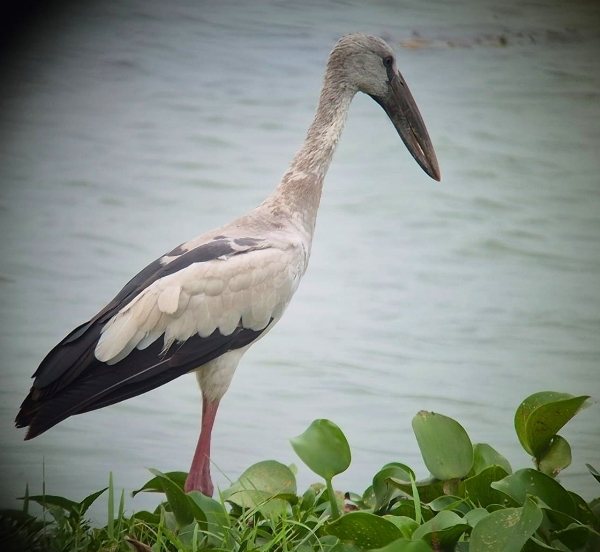
Asian Openbill
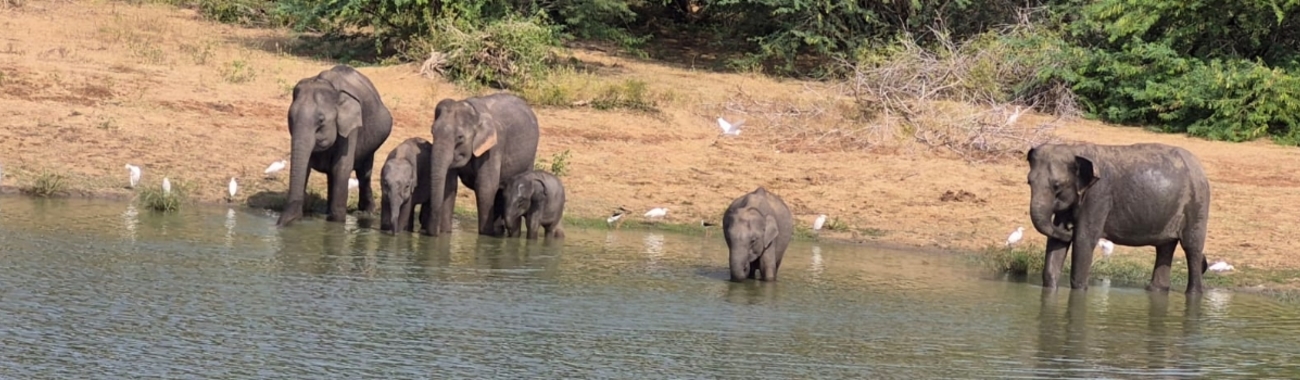
We stopped at the visitor's centre and ate our breakfast, we left there for the park around 8:30am. It started to warm up but still we found more species. An Osprey sat in a dead tree and a White-bellied Sea-eagle sat in another, the pools we drove past all had some wildlife in or around them. One pool had a mother Elephant with is two offspring, the smaller one was quite young and very comical as it played in the water. Soon, two ther families arrived and before long we had 11 Elephants just below us.
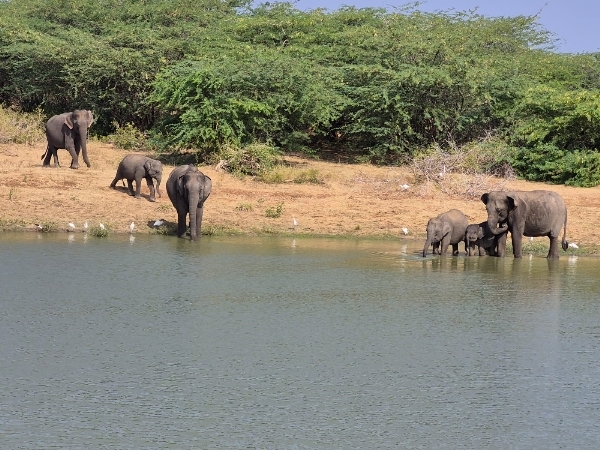
two family groups of Elephants
The salt pans turned up more waders and terns, we also found Red-necked Phalaropes, eleven of them in all. New waders went onto the list: Ruddy Turnstone, Common Ringed Plover, Hum Plover, Ruff, Curlew Sandpiper, Little Stint and Greenshank.
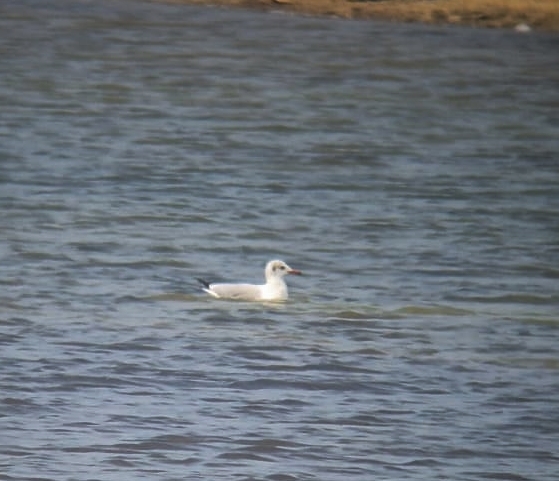
Brown-headed Gull
Brown headed Gull was seen well, Caspain Terns, Little Terns, Whiskered and Gull-billed Terns all showed well too. We couldn't find a Little Pratincole and our last wader to go onto the list was a Whimbrel.
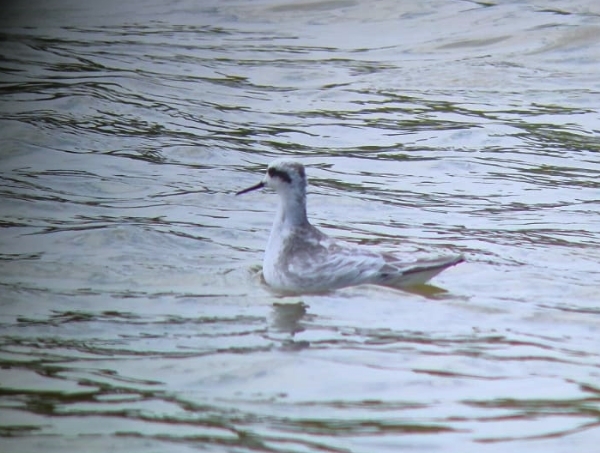
Red-necked Phalarope - we saw 11 of these little beauties
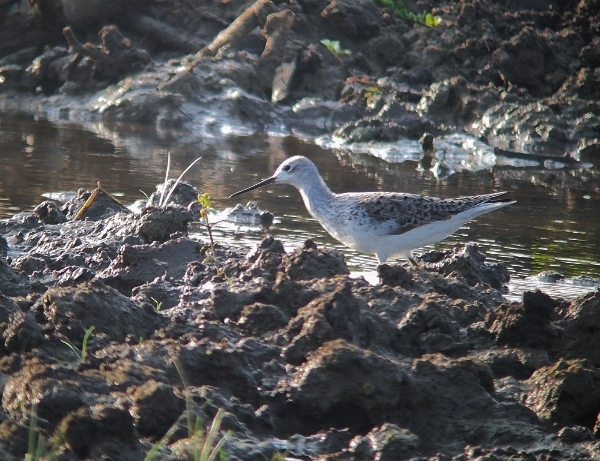
Marsh Sandpiper has to be my favourite wader, so elegent
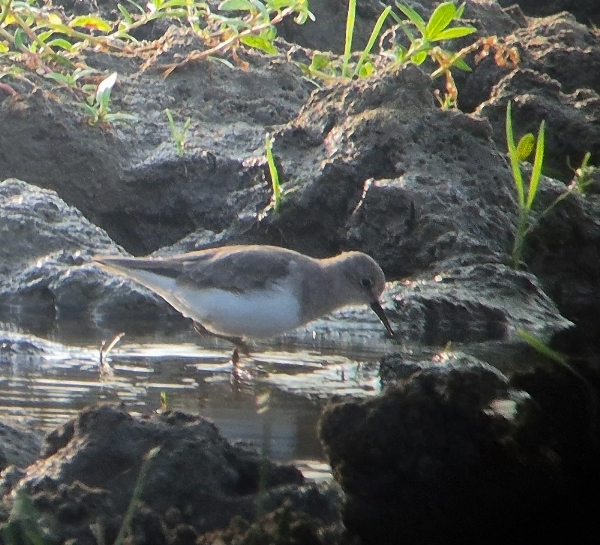
Temminck's Stint
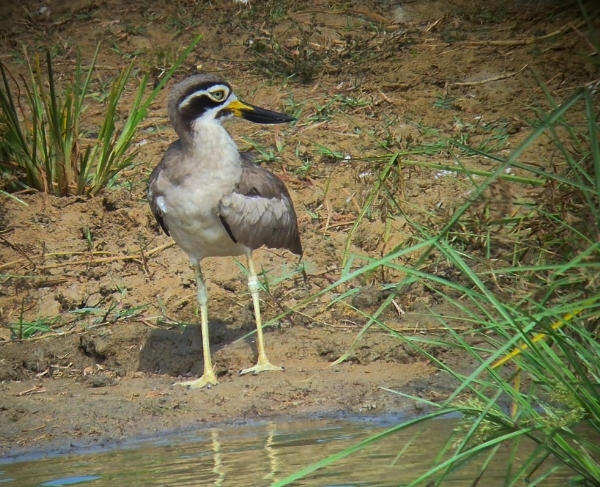
Great Stone Curlew
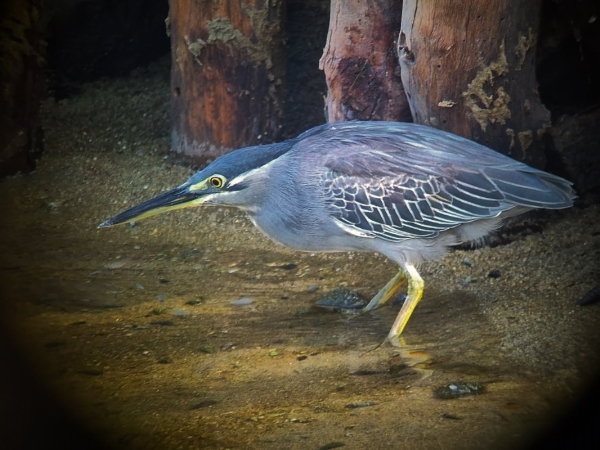
Striated Heron
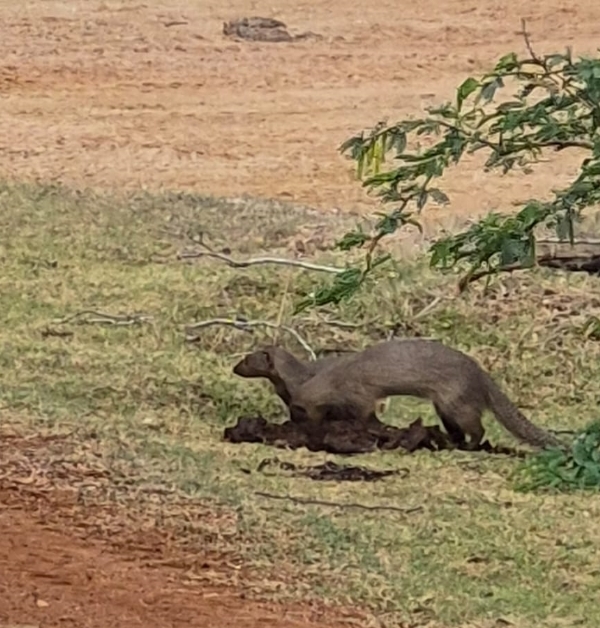
the small Grey Mongoose - there are two shown here
We left the park at 11:30am and arrived back at the hotel 40 mins later after transferring from the jeeps to our bus. For the last couple of days we have ad a busy routine, so today, we had a very long lunch, meeting up again at 4pm.
There are some very ancient, huge trees, around the shorline of Lake Tissa and in those trees you find one of the largest Flying Fox roosting colony in the country. Thousands can be seen. We planned to visit the colony and search the reedbeds and marsh for Bitterns and then waiting until dusk to see the sleeping bats, awake and disperse for the night.
Our search for Bitterns was a complete success! We found Yellow Bittern quite easily, then a Cinamon Bittern showed relatively well. It was the Black Bittern that proved the hardest to find. Eventually, one turned up and we got the scopes onto it, most of the group had reasonable views of it before it disappeared.
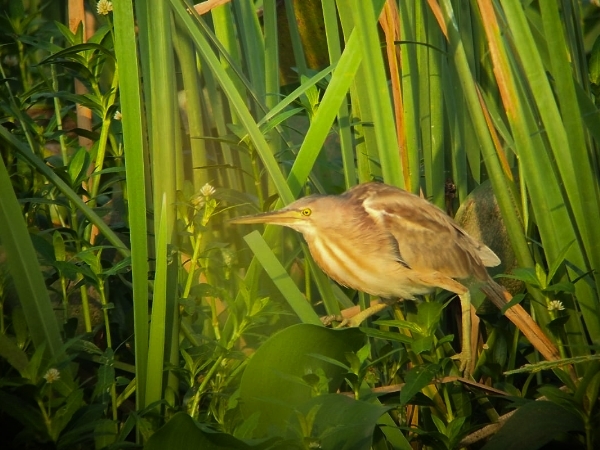
Yellow Bittern
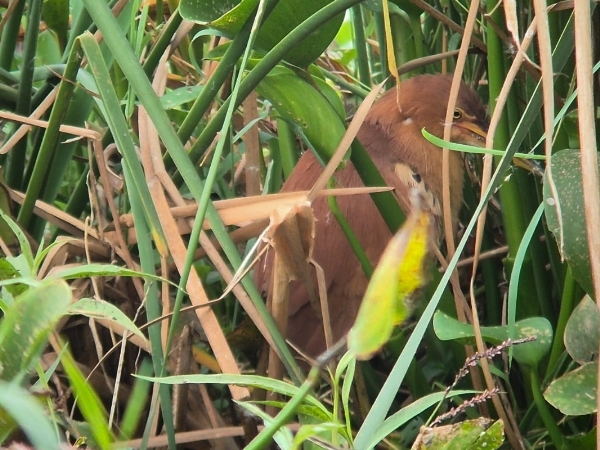
Cinamon Bittern - quite well hidden
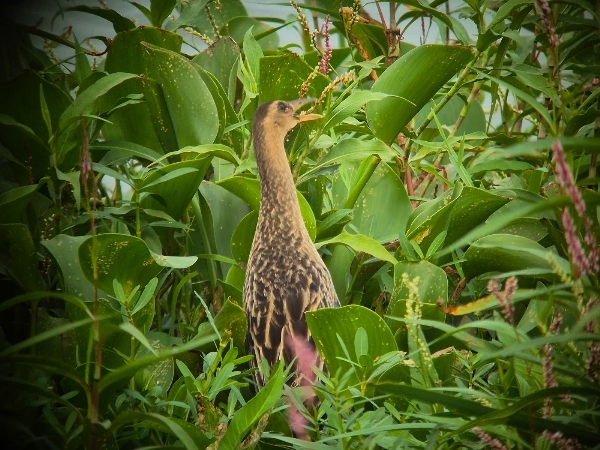
we had better views of this Watercock than the one this morning
The fringe-marsh around this part of the lake was rammed full of birds, as is everywhere on this lush island. All the egrets, herons, ibis, spoonbill, storks and terns could be found. We watcher Waterhen and Watercock, Bee-eaters and Kingfishers.
The Flying Fox colony began to stir as the sun went down, first, one or two took to the air then others joined them. Soon it was manic out there, hundred of bats in the air and dozens of egret and herons flying in to roost in the same tree as the bats use. A murmuration of bats!! A few Spot-billed Pelicans also dropped into the canopy of the trees too.
It got dark and bats started to fly off to their feeding grounds, we departed, fully satisfied with a great day's birding, I wouldn't be surprised if we didn't see over 100 species today.
P.S. The bird log total for today's list was 105!!